Saturday, 8 March 2008

My thai life 3


活色生香的泰國廣告
丁一

泰國人愛吃,眾所周知。泰國人懂得吃,恐怕待在這裡一年半載的人才能體會。

泰國菜之所以出名,當然是由於天然物產的富足,依地理位置的優勢,東南環海、西北多山,所以山珍海味,都賤如泥沙。加以天氣溫暖、土質肥沃、瓜果蔬菜隨處可植,隨時可採,鮮美材料終年不斷。且各地經商者眾多,做菜材料取自本地,烹飪學自外方,五味調和,百珍並列,從溫和的湯飲、生猛的海鮮,脆爽的蔬菜,到辛辣的咖喱和香味撲鼻的燒烤,於是乎泰菜之名,就宣傳在饕餮家的嘴上了。

另一個舉足輕重的因素,若要真正追究,得把時間倒回去1868年,當時掌政的泰皇五世「朱拉隆功王」,是一名多才多藝的美食家,除了愛吃,他也精通各門廚藝,還經常親自下廚宴請賓客,當時還留下了一本心得食譜,收藏了整整兩百多道他悉心調配的美食,也為泰國奠定了美食王國的地位。

聽說泰皇五世在1897年出訪歐洲期間,頗思家鄉味,遠在千里外,居然在其日記中特別提到這令他回味無窮的涼拌木瓜絲,從這一件軼事看來,也可想像這木瓜絲的風味了。

我剛被調任到曼谷時,也對此味情有獨鐘,大街小巷邊的攤頭店內,到處都堆滿著淡青色的木瓜絲,價錢的廉,味道的鮮,比當年泰皇五世在伊森府所嚐食的有過之而無不及。

最絕的應是華隆蓬火車站外,比比皆是的木瓜絲路邊攤,一位當過警官的朋友特地帶我去實地見識,說穿了不過是掛羊頭賣狗肉的暗娼勾當,那些蹲在路旁賣木瓜絲的女郎,個個衣著暴露,性感撩人,一有男顧客搭上,談好價錢,即把攤位擱在一旁,做另一行生意去了。此創舉聽說是為了躲避警員們的騷擾,女郎們擺個攤位做擋箭牌,名正言順地賣起「色」來,數目之多,到了駭人聽聞的地步。

說到娼妓,自然不得不說一說拉瑪四路邊一家叫「無手」的餐廳,除了有餐飲供客,誘人之處是火辣女郎陪座,姿色不在話下。君子們在這裡用膳,是名符其實的「動口不動手」,飯菜一上桌,女陪座立即把美食送到口裡,餐桌下個個都是偽君子,閒著的雙手直往女陪座乳縫腿間鑽,從前聽說更可以在餐廳的閣樓上開房,飲食男女,不必分求,一舉竟可兩得。

業主與我的泰國好友相當熟絡,悄悄地對我說:「曼谷的餐飲業,競爭激烈,除了要有好吃好喝的,還得出奇制勝,我這把就叫「飽暖思淫慾」,顧客來到我這裡,可大飽口福,也可大享艷福!」說完即呵呵大笑,露出滿口金牙。

論到調味料,莫過於少不了的廚房四寶:魚露、辣椒粉、糖、醋這四味。拷桑路的路邊攤,連陋巷窄道也不放過,無論走到那兒,隨時都有東西填肚子,連蟲蟻蟬蜢也可當蛋白餐吃,更別說蛇鼠狗貓了!不怕你沒錢吃,只怕你沒膽嚐試。

根據2005年泰國的統計資料顯示,單單在曼谷的餐廳酒館就超過一萬家,美食戰場競爭激烈。也難怪餐飲鉅子常搞此噱頭,弄了一個美食獎來釣一釣老饕的胃口。走在街上不乏掛有青瓷碗商標的餐廳,有了這個鐵飯碗作號召,不愁沒生意。

JCB日本卡和VISA卡更會打食客的主意,在塔妮亞路一間叫「 幸」的日本館子,招牌上大打免費廣告,每逢傍晚時分,裡頭都坐滿了著西裝的日本闊佬。Cheers啤酒也首次進入泰國市場,如法炮制做了一個拋磚引玉的立體廣告,深得人心,叫好又叫座。

Cheers啤酒「蟹肉冬粉篇」是在訴說一對情侶上餐館吃飯,菜端上來,男的赫然發現只有一隻蟹箝,只好吞下口水讓給女的,吃著吃著又猛然發現另一隻蟹箝(在泰國很少見,因蟹肉昂貴),樂得他高聲歡呼,在座的每一位也為他一齊喝采。結尾文案:「生活中的小事,也可值得大大喝彩。」Beer cheers取其品牌之意,大大激起了消費者的食慾。此立體廣告還曾榮獲2006年香港Media Asian Awards銅獎。

泰國子民以食為天,打廣告非得加鹽添醋,才能有事半功倍的效果,廣告公司絞盡腦汁,為的就是能在龐大市場中分一杯羹。

Frog legs as a delicacy, Aranyaprathet, bordering Cambodia.

My thai life 2


輪迴轉世的泰國廣告
丁一

泰國的佛教事業,雖不及緬甸那種山路逢人半是僧的地步,卻也是城裡處處千簇寺,泰人受佛教的薰染,何止是生活上或精神上這麼簡單

到臥佛寺參拜過的人,倘若留意,除了木雕斗拱,敷彩磚瓷,還有兩面帶著畫痕的老牆,依稀殘存著十道輪迴,法界眾生的遺跡,但歲月畢竟走得太遠,只留下糟朽粉化的時間齒痕,唯一可見證歷史的,是佛殿中擺滿一堆黃澄澄的僧桶。

所謂僧桶,是一個普通的黃色水桶,裡頭裝滿了僧侶的生活必須品,如肥皂﹑僧袍﹑香燭﹑火柴﹑洗衣粉﹑牙膏等。在泰國社會體系中地位最崇高的莫過於僧侶,捐贈僧桶的習俗源於此,而流傳廣至民間。

泰人行善,通常是為了積福德,而且是為了來世而積,就像航空公司飛行獎勵計劃裡的里程促銷一樣,累積得愈多愈好,這種根深蒂固的觀念,促成慈善事業如雨後春筍般蓬勃發展。而僧桶也自然成了熱門貨,甚至 7-ELEVEN 及 Tesco 也爭相販賣,可見市場之大,盈利之豐,無人可抵擋。

每逢陽曆十月,泰國曼谷外的烏泰府,景況更是熾熱鼎沸,成千上百個僧侶,從山頂下來和眾生化緣,希望讓有情眾生的善根得以萌芽,為來世鋪好路。住在曼谷和普吉島的泰籍華僑,也共同慶祝十天的齋節,因泰人相信吃齋是通往天堂的捷徑。另一個令泰國人樂此不疲的是放生活動,寺廟外經常可看到提竹籃,裡頭裝有麻雀,供人放生,「因果輪迴,生生不息」,所以人人做起善事來,個個毫不猶豫。

幾年前在素可泰的農村有一個窮老婦,中了六千萬銖的彩票,而他竟把全部獎金捐出去建寺廟,引起眾人議論紛紛。記者還特地去採訪他,只見他清描淡寫地說: 「今世都窮了半輩子,老了錢多也沒用,不如拿來行善,來世我才能享盡榮華富貴。」此軼事對於泰人行善的心境描寫得淋漓盡致。

國際慈善機構 Recycle 年推出一系列再生循環平面廣告,不僅活用了佛法的輪迴論,還在2006年坎城廣告展上報捷,廣告巧妙地以鋁罐為前世﹑鋁鍋為 今世﹑賓士為來世,道出行善得善報的連鎖效應。另外兩篇則以廁紙,百科全書﹑美鈔及玻璃杯,桌燈﹑教堂彩窗,配合文案:今世行善,來世會更好。雖然不致頓悟,卻也不失警惕。

泰國的 Sylvania 燈管,索性就地取材,做了一個深入民心的立體廣告「壁虎篇」。是敘述一位農婦在洗澡,忽然聽見有人叫她,回頭一望,原來是一隻大壁 虎,是她過世的前夫投胎轉世的。結尾文案:「來世不想落得如此下場,今世請布施 Sylvania 燈管,包你世世代代一片光明。」此立體廣告曾榮獲 2004 Adman Thailand銀獎。

Wat Pho with the world's largest reclining buddha.

My thai life 1


同性相吸的泰國廣告
丁一

有位台北男性朋友遠道而來,從機場驅車前往我家的路上,司機趁機打開話匣子。
「你要女人嗎?」
「不要,謝謝。」我朋友禮貌性地婉拒。
「你要男人嗎?」
「……」朋友啞口無言。
「喜歡我嗎?」司機露出一臉淫笑。

朋友半途下車,落荒而逃。他大概是被司機的大膽言行嚇壞了,但在曼谷住了六年的我,早已見怪不怪。
泰國的同志,比其他亞洲的許多同志活得更光彩自在,在於當地同志敢於奮鬥求新,敢於跨出第一步。泰國的法律既不排斥同性戀,也不鼓吹,但同性性行為的法定年齡為15歲,較異性性行為略早了三歲,叫人百思不得其解。

無意間,造成了同性戀提早進入青春期男女的生活圈子裡,再加上一般泰人面對同志,都開放接受,說穿了全民六千萬無非也是深受小乘佛教的教化。經典上有詳細記載,同性戀者身不由己,乃前世所種的因,才會有今世的果;在此觀念下,泰人對男女同志皆流露出非凡的憐憫心及包容心,遂使同志文化因而根深蒂固地存在,形成今日泰國民生社會中相當普遍的生活現象。
多年的同志文化,在90年代初開始在各個領域開枝散葉,除了酒廳、舞廳、餐廳、卡拉OK、桑拿館、男秀、按摩院和旅行社之外,蓄勢待發的還有以同志為對象 的情趣旅館,老外同志泰語速成班,甚至在泰國中部剛建成一個同志村,雅名為花城,裡頭住著清一色的「酷兒族」。泰國的同志場所來勢洶洶,聲名遠播全球各地,其中首推沙通泰路的巴比倫桑拿館,乃歐美同志旅泰必來的「解放」之處。

聽說最近新加坡也紛紛大搞同志文化,勢必想和曼谷力爭亞洲酷都 Queer Capital 的美譽,而座落於席隆路2巷的 DJ STATION,可是同志夜店中的佼佼者,也是國際大本營。各國各色的英雄英雌皆匯聚於此,夜夜人心悸動,促成情慾橫流的風氣。
海尼根啤酒看準這項商機下手,在席隆路作了個戶外看板賄賂同志的心。一個國際品牌敢和同志扯上關係,皆因同志市場潛力龐大。

根據2004年一項世界消費調查,同志一族的消費能力遠比一般白領階級還高。於是同志元素,開始滲入化粧品,護膚品,健身器材,服裝,SPA及健康食品,以尋求品牌認同感。

Axe 男性體香露推出的平面廣告,剛好正中下懷。創意執行源於電子遊戲,卻又暗佈格局,刺激感官,幽默中不乏性感,在2005年紐約廣告節中奪金。
另一當地品牌 SYLVANIA,索性將同志暗戀的心態,原汁原味地呈現在電視螢幕上,「暗戀篇」娓娓道出,一般男同志畏懼表達情感的窘境,一位英俊的男顧 客來買 SYLVANIA 燈管,店主一聽立即轉喜為憂,吞吞吐吐說不出話來,後來終於提起勇氣,向男顧客示愛,原來燈管持久耐用,店主唯恐要隔好一段日子方 能再和男顧客見面,進而早點吐露心中的情感。

Print ad for Axe body spray.

Saturday, 1 March 2008

Tea break


Cafe hopping !

Very few places in the world has a good culture of cafe hopping. The well known ones have a long tradition and been popular among tea connoisseurs. Its people know how to make a cup of good tea and when challenged, will turn things around with a twist.

The English, being a tea lover, has revolutionized our work day with the 4 o'clock break. They even have a label of tea named after their country!

The French makes tea business a flourishing trade. You can see lots of them along Saint Germain street. A small cup at Cafe de Flore will easily cost you up to 8 euros.

The Indian and the Nepali drink tea round the clock. "Chai" is something essential in a typical meal. Not a single day passes without a fragrant cup of the yellow liquid.

The Sri Lankan doesn't just take tea. They smell tea too right in front of their houses in Kandy.

The Japanese turns tea into a longevity product and makes the world go crazy with green tea. The tea ceremony also links zen buddhism deeply into their lives.

The Tibetan makes really oily and salty yak butter tea. After gulping down a cup you will feel like already taking a big meal.

The Chinese even has a sutra written to celebrate the goodness of tea. Many of its poetic works and literature are inspired by the sheer thought of tea too.

The Vietnamese somehow has turned cafes into a different hangout place with disco music blasting from all corners once you walk inside.

Flower tea at a cafe called "休", Seoul.

Saturday, 23 February 2008

disappear 7


EVERY EXIT IS AN ENTRY 
SOMEWHERE ELSE

At the end of every journey I embarked upon, I always like to know what I have learnt from it. Perhaps it’s not important to some, but it matters to me because the journey gives me a great opportunity to see the real world I live in – suffering alongside compassion, sorrow alongside happiness, life alongside death.

In his acclaimed spiritual masterpiece, The Tibetan Book of Living and Dying, Sogyal Rinpoche speaks of death in the modern world. “People today are taught to deny death, and taught that it means nothing but annihilation and loss. That means that most of the world lives either in denial of death or in terror of it. Even talking about death is considered morbid, and many people believe that simply mentioning death is to risk wishing it upon ourselves.”

The simple truth is, life and death are seen as one whole. On the day we were born, we began to die. Our lives are like an hourglass that never stops… each moment follows the one before, without end. From moment to moment, life drains away. We are babies, then adults, then old and dead. Each moment follows the one before, without end. Our lives are like a bubble or a candle, impermanence and death are like the wind!

On the many trips to those far-flung places, like the ones in Pashupatinath or Varanasi where sadhus abound, I’ve witnessed deaths amidst births. I become aware of my own ignorance about my existence in this karmic world, of my own helplessness about impermanence in everyday life, and of my unwillingness to withdraw myself from all samsara pleasures.

The roads ahead are waiting. For me, and you, and all sentient beings.

The journey never ends. Only travellers come to an end.

One of the windows, Angkor Wat, Cambodia.

disappear 6


TIME IS THE LONGER DISTANCE 
BETWEEN TWO PLACES

What makes a tourist different from a traveller is that the latter has the luxury of time. To me, the thought of visiting the Pagan ruins in an hour is certainly intolerable.

For some, travelling simply means being there physically with a tag that proudly proclaims “I have been here”. But you can’t call yourself a true traveller unless you are fully immersed in the place you visit.

You need time.

Take time to explore and get familiar with those little side lanes. You will discover a lot more than just the usual tourist spots on the map.

Take time to find one of the best local restaurants for an authentic meal. It’s where you can avoid the tourist crowds and tourist prices.

Take time to visit a museum or a gallery. You will never appreciate a country’s beauty without first knowing its glorious past.

Take time to speak to a local and who knows, he might end up being your personal guide and offer you insider tips on shopping and dining.

Take time to peruse the detailed structure of a temple or a church or a mosque. It’s those details that will make you believe that God, in whatever form, still exists.

Take time to sip a cup of tea or coffee at a local café. Chance acquaintances always appear in such relaxing places.

Take time to visit a local bookstore. With a bit of luck you may come across a good book that enlightens you.

Take time to pen a postcard to your loved one or simply to yourself. Because postcards are the best mementos to rekindle your travel memories.

You just can’t rush a seasoned traveller.

Lijiang at dawn before tourist invasions.

disappear 5


SHUT YOUR EYES TO SEE 
THE WORLD CLEARLY

The poet Pablo Neruda wrote a book of poems which he called Odes to common things. It included odes to such objects as a bed, a chair, a bar of soap, an empty plate, an apple, a tree, a cloud, a door. It reads:

O irrevocable river of things
No one can say that I loved only fish, or the plants of the jungle and the field,
That I loved only those things that leap and climb, desire, and survive.
It’s not true.
Many things conspired to tell me the whole story.
Not only did they touch me, Or my hand touched them.
They were so close that they were a part of my being,
They were so alive with me that they lived half my life
And will die half my death.

I think Neruda tries to make us see that everything we look at has a unique shape, colour, and texture as well as function. Although we rarely pay attention to them, if we look at them with a sensitive eye we can definitely appreciate their aesthetic qualities.

When I was noting the Bank of China from the Victoria Harbour in Hong Kong, I became aware for the first time that the twin spires on top of the building designed by I.M.Pei resembled a preying mantis. The same was true of his glass pyramid with its graceful triangular shape that made it seem as if the peak was eagerly reaching out to compete with the Lourve. Had they been presented in a display room, I would have seen something more than objects, something deeper in the way forms can take on a life of their own and create enduring values.

When asked about how he managed to produce such beautiful literary works, Ernest Hemingway simply replied: “All my life I’ve looked at words as though I were seeing them for the first time.”

The art of seeing. No more. No less.

See it or not, these stains are part of the street scene in Ho Chi Minh.

disappear 4


FATIGUE IS THE BEST PILLOW

The first thing I do when I enter any hotel room for the first time is draw back the curtains and open the windows. The room is my first window in a new place, and I want to make sure I can see as much as possible.

The Yogi Lodge, in India’s old Varanasi city, had stained sheets, dusty walls and broken electric fans – but it also had a little window overlooking the city’s labyrinth of narrow lanes and the bathing ghats along the Ganges river.

Outside my five-dollar, no-towels-no-toilet-paper double room at the Ghandruk Guesthouse in Annapurna, Tibetan monks led by religious trumpeters and holy cows drifted past my open wooden shutters.

In the small mountain village of Darjeeling, where the exiled Dalai Lama made his yearly visit to the Tibetan refugee camp there, there’s a tiny hotel called Hotel 717 run by a friendly Tibetan family. I made a note of my room – No.103 – a corner, with huge glass windows and a breathtaking view of the Kanchanjunga.

On the island of La Corse, off the French Riviera, the room I stayed at the Calvi Youth Hostel- No. 6 – has a tiny terrace that opens out to a spectacular view of the Mediterranean sea, the hills on the shore and the constantly changing sky.

Sometimes, as in the case of the “deluxe room” at Hotel Simla in Jaisalmer, my hotel windows look out on nothing more interesting than a side alley, where kids play and adults work. Once on a trip to Goreme, Turkey, I got to stay in a cave embedded in a fairy chimney hill. The cave room, of course, had no marble tubs or gilded faucets or fresh orchids on the nightstand. But it had plenty of stunning views which were Unesco-listed.

At hotels like the Kuta Beach Resort in Bali or the Rasa Sayang in Penang, where massage and spa treatments are part of the guest’s daily programme, good sleep is almost guaranteed.

Likewise at monasteries that open their doors to travellers. In Bodhgaya, one of two Thai monasteries near the Mahabodhi temple, which provide lodging to guests and pilgrims, I fell serenely into dreams as a sonorous, buddhist chant by a choir of monks echoed in the distance – perhaps not Nirwana, but close enough for me.

Spot the cat in the Orthello town, Essaouira in Morocco.

disappear 3


HUNGER IS THE BEST SAUCE

I used to think, when I was little, that people from all over the world speak the same language and eat the same food. My preconception was shattered when I made my first oversea trip to Thailand.

I guess Clifton Paul Fadiman put it best: a foreign country is not designed to make you comfortable. It is designed to make its own people comfortable.

In Hanoi the tour guide took me to a local restaurant well known for a delicacy called Tikchow, or dog meat. In Manila I ate a seasoned egg called Balut, only to find out later that it contained a duckling embryo.

In Santorini I had to ride a donkey to go down the cliff to have lunch. In Anthens I had a cup of Capuccino which tasted more like Chinese medicine. And in a Milan cafe I even had to pay table fee for sitting down.

Worst still, In Jaisalmer on the Thar desert, I had to eat my dinner from plates and cups washed with sand. In Beijing I had to share a small dining table with 16 people. And in Monaco I had to pay US50 for a set lunch with soup.

The list goes on.

In Gangga Fuji restaurant, Varanasi, I had to wait over an hour in a crowded room full of hungry travelers, and finally left empty stomached. At a little eatery place in New Delhi called Appetite, the 35-rupee French breakfast set comes with a cigarette at the end of the meal.

Inside the Thai restaurant Sanguan-Sri, I was intrigued by a dish called Kao Chae – boiled rice soaked in a bowl of ice-cubes and smelt of fragrant jasmine. It certainly looked exotic but the taste was unimaginable.

In Vientiane, Laos, the appetizer I ordered came in the form of fried grasshoppers and silkworms. In Taipei, I had a piece of smelly tofu which spoilt my appetite the whole evening.

Oh! And I remember one other thing. Throughout my Turkey trip, the menu for breakfast was always composed of “olives, tomatoes, cucumber, toast, cheese and butter, honey, and a boiled egg”.

Perhaps this is not the kind of memory one expects to bring home from Turkey. But it’s certainly among the best of mine.

Watermelon seller balancing her act, Mandalay.

disappear 2


EVERYWHERE IS WALKING DISTANCE
if YOU HAVE THE TIME

What do you look at when you walk through a strange place?

Do you walk to explore the endless possibilities of hidden beauty? Or do you just walk to forget yourself and the many trivial things that come attached with you? Do you look up at the sky. Or do you look down at the cobbled pavement. Or at nothing in particular?

When you stand at the corner of Harbour bridge in Sydney waiting for a traffic light to change, do your eyes wander to see while you wait, or do you just stare at the sign that reads “DON’T WALK”?

In Istanbul, Avignon, Florence, Hoi An, and many other cities, I enjoy walking through the old quarters that have remained the same for hundreds of years.

In Cairo, my favourite place is Khan Al-Khalili, where I like to get lost in the crisscrossed lanes, or sip a cup of mint tea at Fishawi café which Naguib Mahfouz used to frequent.

In Chicago I like to immerse myself in the jazzy atmosphere of its many sidewalk pubs.

In Seoul’s Myong-dong, it’s a great place to watch some of the most fashionable people in the city.

In Paris, there are the familiar streets leading up to all the museums I love to visit – the Lourve, the Musee d’Orsay, the Musee Picasso and the Pompidou.

Is the time you spend walking in the city a meaningful experience, or is it just a period empty of meaning – distracted from distraction by distraction, as T.S. Eliot once described our apathetic moments in this twittering world?

Sometimes it’s the part of the city in which you stay that seems exciting.

The Hotel Number Sixteen in London, close to South Kensington, is within the vicinity of many elegant book stores and galleries.

The Marriot Garden Resort in Bangkok, by the river bank of Chao Phraya, has a glorious view of Wat Arun in the far distance and bustling traffic of river taxis.

In Singapore the Westin is just a short walk to many lovely spots including the Esplanade and the Art Museum.

These hotels are all in the heart of their cities, and great starting places for exhilarating walks.

Wherever I am, I could follow those long, straight, flat monotonous roads for miles and miles, north, south, east and west, and never get sick of it. For in those walks I find far more than I seek.

Road signs by the Thames river near Big Ben, London.

disappear 1


NO TWO JOURNEYS ON EARTH
ARE ALIKE

In his autobiography, Nobel Prize Laureate Sinclair Lewis talked about revisiting the same place: He who has seen one cathedral ten times has seen something; he who has seen ten cathedrals once has seen but little; and he who has spent half an hour in each of the hundred cathedrals has seen nothing at all.” I couldn’t agree more.

Even if you visit the same place over and over again, you will always find something new to explore. You have to see what you missed the first time, see again what you already saw, see in springtime what you saw in summer, in daylight what you saw at night, see the sun shining where you saw the rain falling. You have to go back to the footsteps already taken, to go over them again or add fresh ones beside them.

Returning to old haunts revives memories and stirs new thoughts. Every other year or so, my friends and I have spent at least a week in Kathmandu, Nepal. It’s a city we love to visit, and its treasures are endless.

Coming back to Kathmandu is a way of taking a measure of our lives. When I walk in Durbar Square and look at the Kumari Chowk and Taleju temple during the morning or evening, or walk around the circular square full of praying wheels and see the details of the Boudhanath stupa with which I am so impressed, or enter the magnificent Bhaktapur old city across which I see the statue of King Bhupatindra Malla rising majestically into the air, I feel a sense of renewal. What follows is a reappraisal of what my life has come to mean since my last visit.

I may stop at the Patan museum and study those ancient Buddhist statues, wondering about its meticulous craftsmanship, or think about the wind chime on the inner interior of the museum and try to figure out how it could produce such beautiful melody. It’s almost as if I can at such moments come to grips with some profound knowledge that I have never quite grasped before.

When one visits a place often, one becomes more of an explorer than a traveller.

Twin sisters visiting a Jain temple, Jaisalmer.

Sunday, 17 February 2008

Winter retreat


Seven days of solitude
High up on a hill surrounded by mighty mountains, and almost right in the centre of kathmandu valley, nestled the kopan monastery where i gracefully found my asylum for seven days and nights.

The guest room is minimally furnitured, with a small bed and a table next to a wall cabinet where a picture of the Dalai Lama was placed on a mini thangka. the attached bathroom provides hot water facilities though on a night colder than minus 2 degrees, the only place you want to be is deep in the thick blankets.

Meals are vegetarian and provided three times a day. the kopan cafe opens from 7am till 8pm. after eight most foreign guests will retreat to their rooms, except the monks who are still in their studies and will finish at 10pm.

Turning in early almost promises me an early rise every day. at 6.30am i will join the puja ceremony performed by the residential monks. the sonorous chants of those monks pacifies my mind and cleanses my thoughts. it is good to just sit there and meditate.

I have breakfast at 7.30am, which to be followed by a dharma teaching at 10.30am by the Ven Ani Karin, who is kind to give 4 lessons on meditation.

Most of the time I spend reading dharma books in the library or cafe. occasionally i will chat with monks and take pictures of them at their own leisure.

life is so mindful and peaceful here.

A friendly monk on the rooftop of the Kopan library, Kathmandu.

On the road


The Kindness of strangers
If you are travelling in a strange land, during some parts of your journey you are bound to meet someone who, without acquiantance or obligation, goes out of his or her ways to help. In Dalai Lama's definition, these kind-hearted souls are called "bodhisattvas".

I was in a jeep travelling from Mandalay to Bagan, the city of thousand buddhist ruins. Passing by many remote villages and rice fields, my driver drove at accelerating speed as the sun was setting sooner than we thought.

Out of a sudden the whole jeep came to a halt, stopping in the middle of the country road. I observed out of the window and saw one of the car wheels was stuck in a huge pothole which my driver didn't notice. My driver tried to accelerate the speed in order to get out of the hole but failed several times.

Within a blink of an eye, 4 or 5 men in their worn-out clothes came rushing to us. I thought to myself, it must be robbery!

But to my surprise, they actually came to our rescue. They held the car firmly up, trying to push the wheel out of the hole. They were strong enough to move the jeep and I was thankful for their heroic act. They responded as if it was something natural to act in a situation like this.

I was really impressed. Where else on earth can you find helping hands so readily available without even having to ask for it?

The journey to Bagan has till today remained one of the most memorable.

Monastery school along the way from Mandalay to Bagan.

Ideas to share


Reincarnate your ideas!
I had this idea when I was on bed one midnight tossing around, not being able to fall asleep.

I scribbled it down on my pad quickly, a habit I have been practising since I worked. The concept of reincarnation somehow seemed to work well with the product. The next morning I played around with the idea a bit before deciding which execution I would pursue.

Personally I like Can-Pot-Car the best, followed by Glass-Lamp-Stained Glass and Toilet Paper-Encyclopedia-Money.

To be able to apply buddhism into advertising is something I have tried hard to.

The power of advertising is great. So a positive message really matters.

Print and Poster campaign for Recycle.

Saturday, 16 February 2008

Middle path


Travelling with the Buddha
In Bodhgaya, I cried upon entering the Mahabodhi temple out of compassion.

In Sarnath, I could hear buddha's teaching from the trees and breezes.

In Lumbini, I was amazed to see the pond bathed in rays of twinkling light.

In Namobuddha, I was touched to learn his sacrifice for the hungry tiger cubs.

In Bagan, I lost myself in the ruins of thousands pagodas and stupas.

In Mandalay, I bought a wooden buddha statue in the posture of comtemplation.

In Yangoon, I learnt that friday was the day of my birth.

In Chiangmai, I donated 20% of my salary to wat conservations projects.

In Ayuthaya, I saw a buddha's head and its strong will to survive.

In Luang Prabang, I offered morning alms to hundreds of orange-saffroned monks.

In Siam reap, I witnessed the towering height of buddhism in the midst of jungle.

In Ho Chi Minh, I had lunch among monks in a vegetarian restaurant inside a real temple.

In Penang, I learnt the meaning of western paradise after climbing hundreds of steps up.

In Lhasa, I cried while doing walking meditation around Barkor street near Jokhang temple.

In Boudha, I could see his wisdom eyes wherever i walked around the stupa.

In Polonaruwa, I knew history will always repeat itself.

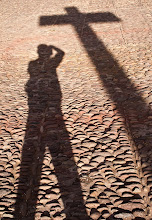
In Borobuddur, I saw a lone shadow in a strange land.

In Seoul, I picked a fallen maple leaf and it reminded me of impermanence.

In Kyoto, I couldn't believe that nature and buddhism could blend in so well.

In Kamakura, I felt so tiny in front of the sitting buddha and the whole universe.

In Nara, I saw buddhas in those benign deers.

In Beijing, I hope buddhism will take its root and change the whole nation.


A buddhist park called Muang Boran in Bangkok, Thailand.